European Portuguese vs Brazilian Portuguese: What's Actually Different?
They're the same language — and speakers understand each other — but the differences are big enough that learning the wrong variant will genuinely hurt you. Pronunciation, grammar, everyday vocabulary and even spelling all shift between the two. This guide covers exactly what changes, with the practical examples that matter if you're heading to Portugal.
The short answer: European Portuguese (spoken in Portugal) and Brazilian Portuguese are mutually intelligible in writing, but the spoken forms differ enough that months of Brazilian-focused study can leave you unable to follow a normal conversation in Lisbon. If you're moving to Portugal, learn European Portuguese from day one — un-learning Brazilian habits later is harder than starting right.
Pronunciation: the biggest gap by far
This is where learners get caught out. European Portuguese is stress-timed: unstressed vowels shrink, blur or disappear entirely. Brazilian Portuguese is closer to syllable-timed — every vowel gets its full value, which is why it sounds more musical and open to most English speakers.
Put simply: Portuguese people swallow sounds that Brazilians pronounce. Telefone comes out closer to "tlefon" in Lisbon. Perceber sounds like "prsber". This is the single reason learners trained on Brazilian audio arrive in Portugal and understand almost nothing — while Brazilians generally understand European Portuguese more easily, because they're mentally restoring vowels rather than deleting them.
The specific sound changes
| Feature | Portugal 🇵🇹 | Brazil 🇧🇷 | Example |
|---|---|---|---|
| S at end of syllable | "sh" sound | "s" sound (most regions) | os livros → "ush livrush" vs "os livros" |
| Unstressed E | Reduced or silent | Fully pronounced | de → "d" vs "dee" |
| Unstressed O | Becomes "u" | Becomes "u" (lighter) | gato → "gatu" |
| D before I/E | Hard D | Softens to "dj" | dia → "dia" vs "djia" |
| T before I | Hard T | Softens to "tch" | noite → "noit" vs "noitchi" |
| L at end of syllable | Dark L | Becomes "w" | Brasil → "Brasil" vs "Brasiw" |
None of these are optional details — they're the difference between following a conversation at the counter of a Lisbon café and nodding blankly. Our European Portuguese pronunciation guide breaks each one down with practice examples.
Grammar differences that come up daily
- Tu vs você. Portugal uses tu with its own second-person verb forms (tu falas, tu tens) for friends, family and peers. Você in Portugal is more distant and can sound cold or oddly formal. Brazil uses você almost universally and conjugates it like the third person, so most Brazilian courses barely teach tu forms at all — leaving a real gap for Portugal.
- Pronoun placement. Portugal attaches pronouns to the end of the verb: Ele deu-me o livro. Brazil puts them before: Ele me deu o livro. Both are understood, but the Brazilian order marks you instantly as a non-Portugal speaker.
- Ongoing actions. Portugal says estou a falar (literally "I am to speak"). Brazil says estou falando. This construction comes up constantly in normal conversation.
- Second person plural. Portugal uses vocês in speech but you'll still meet vós forms in older texts, prayers and some northern dialects.
- Formal address. Portugal frequently uses o senhor / a senhora, or even the person's title or third person, where Brazil would just say você.
See the full breakdown in our European Portuguese grammar guide and verb conjugation guide.
Vocabulary: different words for everyday things
Hundreds of everyday nouns simply differ. These are the ones you'll hit in your first week in Portugal:
| English | Portugal 🇵🇹 | Brazil 🇧🇷 |
|---|---|---|
| bus | autocarro | ônibus |
| train | comboio | trem |
| breakfast | pequeno-almoço | café da manhã |
| mobile phone | telemóvel | celular |
| juice | sumo | suco |
| bathroom | casa de banho | banheiro |
| fridge | frigorífico | geladeira |
| ice cream | gelado | sorvete |
| suit | fato | terno |
| queue / line | bicha / fila | fila |
| tram | eléctrico | bonde |
| rent (a home) | arrendar | alugar |
| cool! | fixe | legal |
Numbers are spelled differently too
A small detail that trips up learners in exams and forms — three numbers change spelling between the variants:
| Number | Portugal 🇵🇹 | Brazil 🇧🇷 |
|---|---|---|
| 16 | dezasseis | dezesseis |
| 17 | dezassete | dezessete |
| 19 | dezanove | dezenove |
You can drill the Portugal spellings free in our Numbers Game — 20 levels covering 0 to 100.
False friends that can genuinely embarrass you
A handful of words are perfectly normal in one country and awkward — or offensive — in the other. Worth knowing before you use them:
| Word | In Portugal 🇵🇹 | In Brazil 🇧🇷 |
|---|---|---|
| rapariga | Girl / young woman — completely normal | Carries a pejorative sense |
| bicha | A queue / line (older usage) | Offensive slur — avoid entirely |
| propina | Tuition fee | A bribe |
| puto | Kid / young lad (informal) | Strong insult |
| banheiro | Lifeguard | Bathroom |
The practical takeaway: vocabulary you picked up from Brazilian media isn't automatically safe in Portugal, and vice versa.
Spelling: mostly unified, with leftovers
The 1990 Orthographic Agreement (Acordo Ortográfico) aligned most spelling between the countries, and Portugal adopted it. A few differences survive because pronunciation differs — where Portugal still sounds a consonant, Portugal keeps it:
- Portugal facto (fact) — Brazil fato
- Portugal contacto — Brazil contato
- Portugal receção — Brazil recepção
Accent marks also differ in places: Portugal writes bebé and ténis, Brazil writes bebê and tênis.
Can Portuguese and Brazilians understand each other?
Yes — but not symmetrically. Brazilians typically find European Portuguese harder to follow at first, because of the vowel reduction and the "sh" sounds. Portuguese people usually understand Brazilian Portuguese easily, thanks to decades of exposure through Brazilian television, music and soap operas.
For a learner, that asymmetry matters: study Brazilian Portuguese and you'll be understood in Lisbon, but you may not understand the reply. That's the failure mode people describe after a year on a Brazilian-only app.
Which one should you learn?
Learn the variant of the country you'll actually use it in.
- Moving to Portugal, or already there? European Portuguese, without hesitation. Daily life, work, healthcare, visa and residency appointments and the CIPLE citizenship exam all use it.
- Portuguese heritage from a Portuguese family? European Portuguese — it's the variant your relatives speak.
- Going to Brazil, or working with Brazilian colleagues? Brazilian Portuguese.
- Just travelling to Portugal briefly? European Portuguese still helps most, but either will get you a coffee. Start with our travel phrases guide.
The practical problem is supply: nearly every major app (Duolingo included) teaches Brazilian Portuguese only. We compare the realistic options in the best app to learn European Portuguese.
Frequently asked questions
Is European Portuguese harder than Brazilian Portuguese?
For most English speakers, yes — at the listening stage. Vowel reduction makes spoken European Portuguese harder to decode early on. Reading, writing and grammar are comparable in difficulty, and the gap narrows quickly once your ear adjusts to native audio.
Can I learn Brazilian Portuguese and use it in Portugal?
You'll be understood, and people will be friendly about it. But you'll struggle to understand replies, you'll use vocabulary that marks you as an outsider, and you'll need to relearn tu conjugations and pronoun placement for the CIPLE exam.
Does the CIPLE citizenship exam use European Portuguese?
Yes. CIPLE is administered under the Portuguese system and uses European Portuguese in its listening and reading materials — another reason to start with the right variant if citizenship is your goal.
How different are they, really — like British vs American English?
That's the usual comparison, but the spoken gap is wider. British and American English differ mainly in accent and some vocabulary. European and Brazilian Portuguese differ in accent, vocabulary, pronoun placement, verb usage and rhythm — closer to the distance between European Spanish and Rioplatense Spanish, or somewhat beyond it.
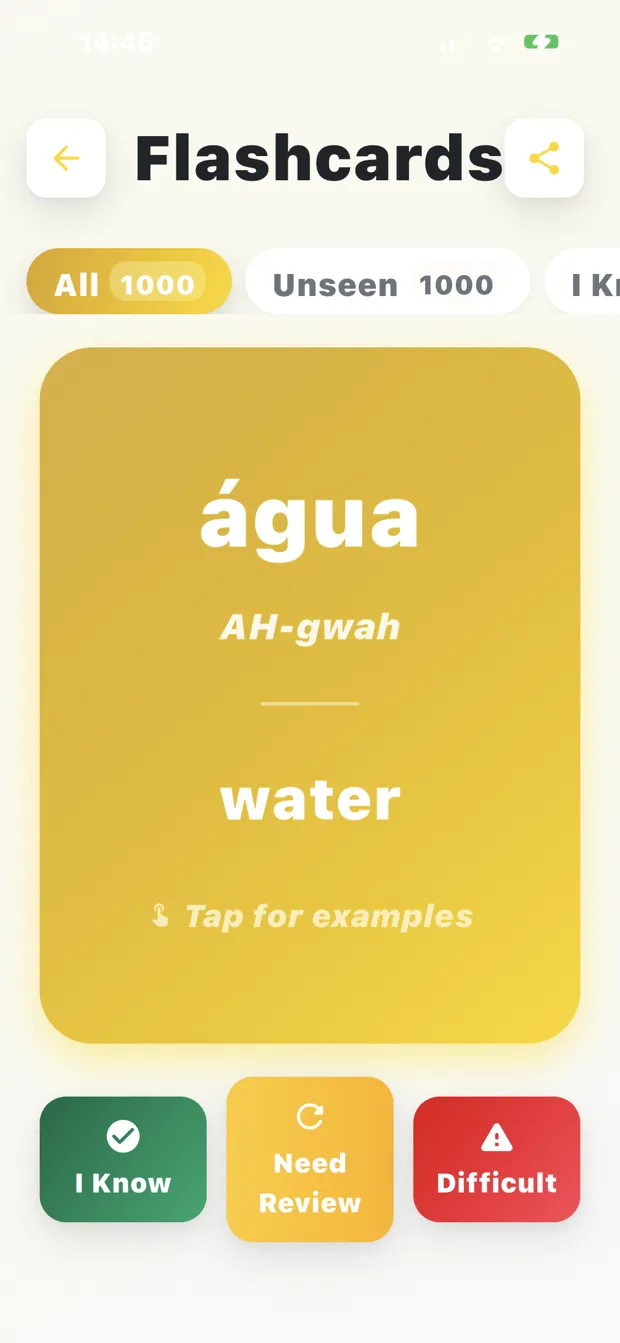
Do it with Portugal Lifestyle Pro
Portugal Lifestyle Pro teaches only European Portuguese — every phrase, verb form and audio clip reflects Portugal. The vocabulary section even flags Portugal-specific words and slang (like fixe and bora), and the Slang Game makes them stick.
Download Free on the App Store Google Play Web App
Free download · 7-day free trial · 500+ lessons · Native Lisbon audio
On the App Store as Learn European Portuguese Pro
What should we build next?
This guide exists because someone asked for it. If there's a topic, lesson type or feature you want in Portugal Lifestyle Pro, tell us — it's five questions and takes about two minutes.
Share your ideas & feedback → No account needed · Email optional · We read every answer